Adding a porch or sunroom is one of the best ways to create more usable living space while enjoying the outdoors from the comfort of your Minnesota home. Whether you want a quiet place for morning coffee, additional entertaining space, or a room where you can enjoy backyard views without dealing with mosquitoes, rain, or wind, both three-season porches and four-season sunrooms can be great options.
However, Minnesota’s climate makes choosing between the two especially important. A three-season porch can provide a comfortable retreat during spring, summer, and fall, while a four-season sunroom is designed to remain usable even when temperatures drop below freezing.
So, which one is right for your home? The answer depends on how you plan to use the space, your budget, the existing structure, and how important winter usability is to your family. Stonehearth Remodeling can help Minnesota homeowners compare these options and design an addition that complements both the home and the way they live.
What Is a Three-Season Porch?
A three-season porch is an enclosed outdoor living area primarily designed for spring, summer, and fall use. It typically provides protection from rain, wind, insects, and other outdoor elements while maintaining the open feeling of a traditional porch.
These spaces often include large windows or screens that allow homeowners to enjoy fresh air when the weather is comfortable. Depending on the design, windows may slide or open to transform the room into a screened porch during warmer months.
Unlike the main living areas of a house, however, a three-season porch generally does not have the same level of insulation, heating, or climate control.
During a Minnesota spring or fall, the room may be perfectly comfortable with sunlight, blankets, or supplemental heat. When temperatures fall significantly during winter, the space can become too cold for regular use.
For homeowners who primarily want additional warm-weather living space, that may not be a problem.
Three-Season Porch vs. Four-Season Sunroom
| Feature | Three-Season Porch | Four-Season Sunroom |
| Best Use | Spring, summer, and fall | Year-round |
| Minnesota Winter Use | Limited | Designed for winter use |
| Heating & Cooling | Typically limited or supplemental | Full climate control |
| Insulation | Minimal to moderate | Comprehensive insulation |
| Windows | Screens or operable windows | Energy-efficient insulated windows |
| Indoor-Outdoor Feel | Strong | More like traditional living space |
| Typical Uses | Dining, relaxing, entertaining | Family room, office, dining room, playroom |
| Construction Complexity | Lower | Higher |
| Relative Cost | Generally less expensive | Generally more expensive |
| Best For | Homeowners prioritizing warm-weather outdoor living | Homeowners wanting additional year-round living space |
What Is a Four-Season Sunroom?
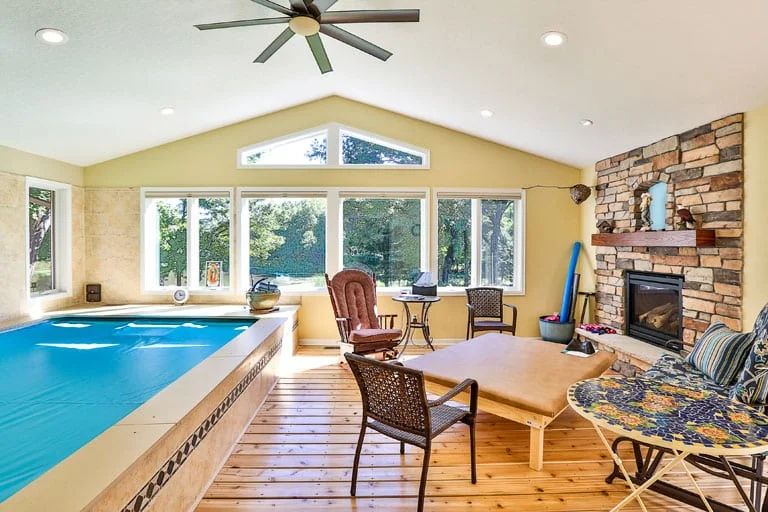
A four-season sunroom is designed more like a conventional room addition.
Instead of simply enclosing an outdoor space, the room is typically insulated and constructed to maintain comfortable interior temperatures throughout the year. The walls, roof, windows, foundation, heating, and cooling all need to work together to create a conditioned living environment.
In Minnesota, that difference matters.
A four-season room needs to perform when temperatures are well below freezing. High-quality windows, sufficient insulation, proper air sealing, and an effective heating system are essential if homeowners expect the room to remain comfortable in January and February.
Because of these additional construction requirements, four-season sunrooms are generally more expensive than three-season porches. However, they also provide substantially more usable living space throughout the year.
Minnesota Winters Are the Biggest Difference
If you lived in a mild climate, the distinction between three-season and four-season spaces might not feel significant. In Minnesota, winter performance should be one of the first considerations.
A three-season porch provides shelter from snow and wind, but it is not necessarily intended to maintain the same indoor temperature as your kitchen or family room during the coldest months.
A four-season sunroom is different. It must be designed as part of the home’s conditioned envelope.
That can mean insulated walls and ceilings, energy-efficient windows, proper foundation systems, heating, ventilation, and careful attention to air leakage. These components help prevent the space from becoming uncomfortable when temperatures drop.
If your vision includes watching snow fall while sitting comfortably in your sunroom in January, a true four-season design will usually be the better choice.
Three-Season Porches Can Create an Indoor-Outdoor Experience
One of the biggest advantages of a three-season porch is its connection to the outdoors.
Large screens and operable windows can allow breezes to flow through the space during pleasant weather. You can hear the sounds of the backyard and enjoy summer evenings without being completely exposed to insects or rain.
This makes three-season porches ideal for casual entertaining, outdoor dining, reading, relaxing, or enjoying coffee in the morning.
For many Minnesota homeowners, spring through fall is exactly when they want to use a porch most. The space provides protection while still feeling different from the rest of the house.
If maintaining that porch-like character is more important than using the room throughout the winter, a three-season design may provide exactly what you need.
Four-Season Sunrooms Feel More Like an Extension of Your Home
A four-season sunroom can provide a very different experience.
Because the space is insulated and climate-controlled, it can function much like another room in your home. Depending on the layout, it could become a family room, dining area, home office, reading room, playroom, or entertainment space.
The transition between the existing house and addition can also feel more seamless.
Rather than closing the room for part of the year, homeowners can incorporate it into their everyday routines. You could use the sunroom for holiday gatherings in December, watch a snowstorm in February, and open windows to enjoy fresh air in May.
For families who need additional functional square footage, this year-round usability can make the additional investment worthwhile.
Windows Are Especially Important in a Minnesota Sunroom
Windows are a defining feature of both three-season porches and four-season sunrooms, but their performance becomes particularly important in a four-season space.
Large areas of glass can create beautiful views and bring natural light into the home, but windows are generally less insulating than solid walls.
In Minnesota, poorly performing windows can make a sunroom difficult and expensive to heat.
A four-season design may incorporate energy-efficient insulated windows selected for cold-climate performance. Window placement can also be planned carefully to balance natural light, outdoor views, heat gain, and energy efficiency.
A three-season porch has more flexibility because maintaining normal indoor temperatures during winter is not the primary objective.
Stonehearth Remodeling can help homeowners evaluate window styles, quantities, placement, and performance as part of the overall design rather than treating windows as an afterthought.
Insulation Separates the Two Options
Insulation is another major difference between a three-season porch and a four-season sunroom.
A three-season space may include some insulation, but it generally does not need to meet the same performance expectations as conditioned living space.
A four-season room requires a much more comprehensive approach.
The walls, ceiling, and floor or foundation must be designed to reduce heat loss. Air sealing is also critical because even a well-insulated space can feel uncomfortable if cold air enters through gaps around windows, doors, framing, or other transitions.
Minnesota’s temperature extremes make these details particularly important. A sunroom that looks beautiful but is uncomfortable for several months of the year defeats the purpose of investing in a four-season addition.
Heating and Cooling Need to Be Part of the Design
If you choose a four-season sunroom, the space needs a reliable method of heating and cooling.
Depending on the home and addition, this could involve extending the existing HVAC system or designing another heating and cooling solution specifically for the room.
The appropriate system depends on the size of the addition, insulation, number of windows, orientation, existing mechanical equipment, and how frequently the room will be used.
These decisions should happen early in the design process.
Trying to solve temperature problems after a sunroom is already constructed can be much more difficult than designing the building envelope and mechanical systems together from the beginning.
Which Option Costs More?
A four-season sunroom typically costs more than a three-season porch because it is closer to constructing a conventional home addition.
The project may require more extensive foundation work, insulation, higher-performance windows and doors, electrical work, heating and cooling, interior finishes, and other components.
A three-season porch can be less expensive because it does not necessarily need all of those systems.
However, homeowners should compare more than the initial price.
Think about how many months each year you expect to use the space. A less expensive three-season porch may be an excellent investment if you only want a protected outdoor living area. If you need additional year-round living space, investing more in a four-season sunroom may provide greater everyday value.
Can You Convert a Three-Season Porch Into a Four-Season Room Later?
Sometimes, but homeowners should not assume that conversion will be simple.
Turning an existing three-season porch into conditioned living space may require upgrading the windows, insulation, electrical system, heating and cooling, foundation, flooring, walls, roof assembly, or structural components.
In some cases, making all of those upgrades can become a substantial remodeling project.
If you think there is a strong possibility that you will eventually want a four-season room, discuss that goal during the initial design process. Designing certain components with a future conversion in mind may provide more flexibility later.
Which Is Better for Your Minnesota Home?
Neither option is automatically better. The right choice depends on how you envision using the room.
A three-season porch can be ideal when your priority is creating a comfortable indoor-outdoor space for Minnesota’s warmer months. It can provide fresh air, backyard views, and protection from insects and weather without requiring the investment associated with fully conditioned living space.
A four-season sunroom makes more sense when you want the addition to become part of your everyday home. If you envision using the room throughout Minnesota winters, year-round comfort should be built into the project from the beginning.
Your home’s architecture, available space, property, budget, and long-term plans should all factor into the decision.
Design Your Minnesota Porch or Sunroom With Stonehearth Remodeling
A well-designed porch or sunroom should look like it belongs with your home rather than feeling like an addition that was attached years later.
Stonehearth Remodeling can help Minnesota homeowners plan additions that balance architectural design, functionality, energy performance, and construction requirements. From determining the right size and location to selecting windows, materials, finishes, and structural details, thoughtful planning can make the new space feel like a natural extension of your home.
If you are deciding between a three-season porch and a four-season sunroom for your Minnesota home, Stonehearth Remodeling can help you evaluate your goals, budget, and desired level of year-round use.
Whether you want a breezy summer gathering space or a warm sunroom where you can enjoy Minnesota’s snowy landscape in the middle of winter, the right design can give you a comfortable new way to experience your home throughout the seasons. Contact us today to get started!