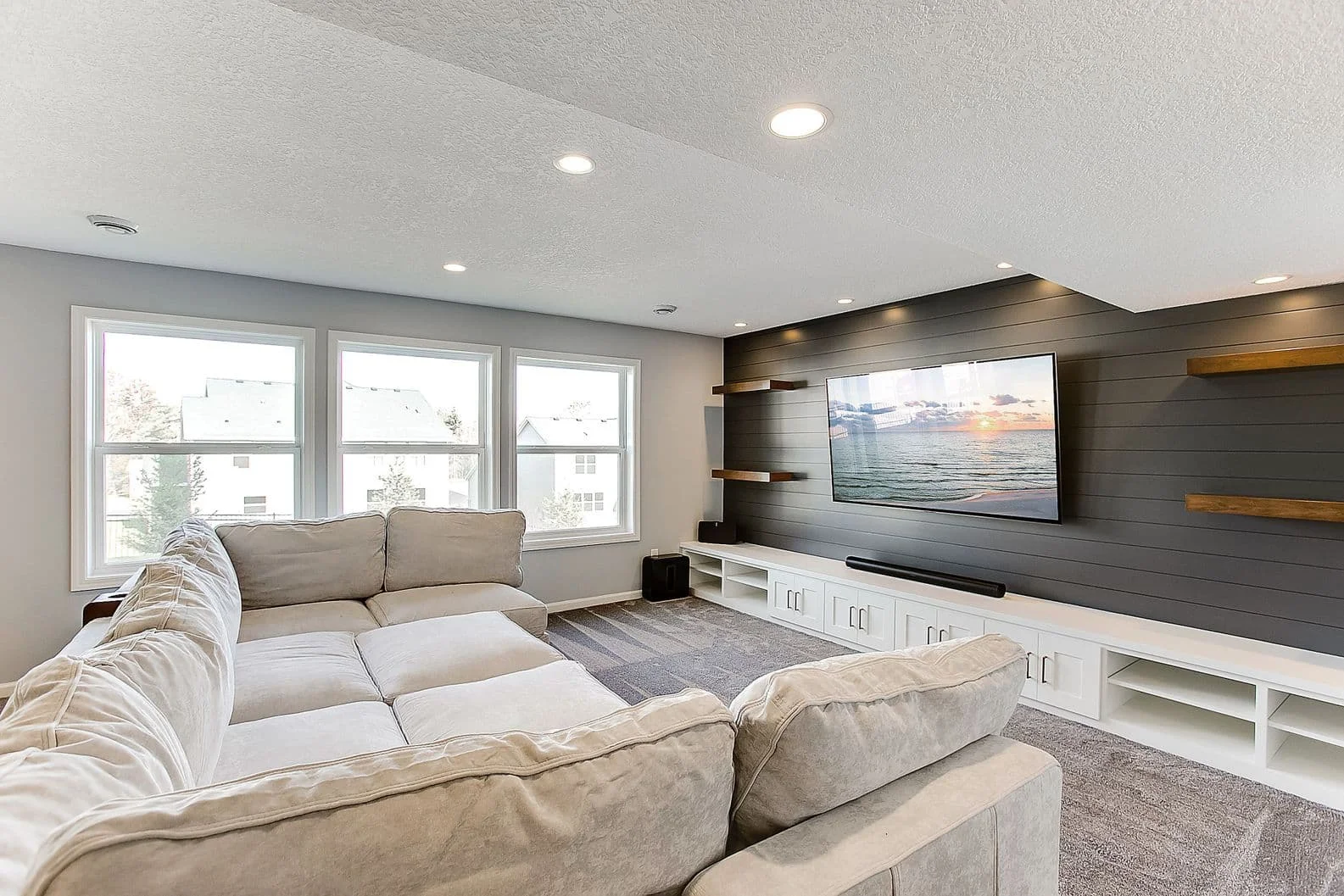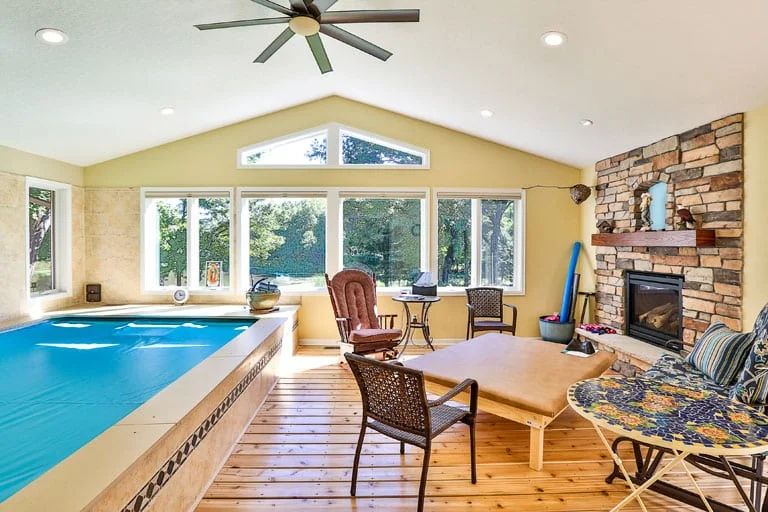
Building a custom home is an exciting opportunity to create a living space tailored to your family’s lifestyle, design preferences, and long-term goals. Unlike purchasing an existing home, a custom build allows you to make decisions about everything from the floor plan and architectural style to the finishes and special features that make a house feel like home.
The answer depends on the size of the home, the complexity of the design, and the materials selected. In most cases, the largest portion of a custom home’s budget is the construction of the structure itself, including framing, labor, roofing, exterior finishes, and major systems. However, site preparation, foundations, kitchens, and high-end finishes can also significantly impact overall costs.
At Stonehearth Remodeling, we help homeowners throughout the Twin Cities navigate every stage of the custom home building process. Understanding where your budget is likely to be allocated can help you make informed decisions and maximize the value of your investment.
Understanding the Major Cost Categories of a Custom Home
A custom home budget is typically divided into several major categories, including:
- Land acquisition
- Site preparation
- Foundation construction
- Framing and structural work
- Roofing and exterior finishes
- Mechanical systems
- Interior finishes
- Kitchens and bathrooms
- Landscaping and outdoor spaces
While every project is unique, some categories consistently account for a larger percentage of the total budget than others.
Framing and Structural Construction Are Often the Largest Expense
For most custom homes in Minnesota, the framing and structural phase represents one of the largest costs of the entire project.
Framing creates the skeleton of the home. It includes:
- Floor systems
- Exterior walls
- Interior walls
- Roof structures
- Engineered beams
- Trusses
- Structural supports
The cost of framing is influenced by several factors, including the size of the home, ceiling heights, roof complexity, and architectural design.
Homes with vaulted ceilings, large open-concept spaces, extensive window walls, or complex rooflines require more engineering, materials, and labor. As a result, structural construction often becomes one of the most expensive phases of the build.
Because Minnesota homes must withstand heavy snow loads and seasonal weather extremes, structural integrity is especially important.
Site Preparation Can Be Surprisingly Expensive
Many homeowners focus on the house itself and overlook the costs associated with preparing the property.
Before construction can begin, the site often requires significant work, including:
- Clearing trees
- Grading
- Excavation
- Soil stabilization
- Utility installation
- Drainage improvements
The condition of the lot has a major impact on these expenses.
For example, a flat suburban lot may require minimal preparation, while a wooded property, sloped site, or lakeside parcel could involve substantial excavation and engineering.
In Minnesota, site preparation costs can vary dramatically depending on soil conditions, water management requirements, and local regulations.
Foundations Represent a Significant Investment
Minnesota’s freeze-thaw cycles make foundation quality especially important.
Most custom homes in the Twin Cities include full basements, which add valuable living space but also increase construction costs.
Foundation expenses typically include:
- Excavation
- Footings
- Concrete walls
- Waterproofing
- Drain tile systems
- Basement floors
If the site has poor soil conditions or requires specialized engineering, foundation costs can increase significantly.
A properly constructed foundation protects the long-term stability and performance of the home, making it one of the most critical investments in the entire project.
Kitchens Often Have the Highest Interior Costs
When it comes to interior spaces, the kitchen is frequently the most expensive room in the house.
Modern custom kitchens often include:
- Custom cabinetry
- Large islands
- Premium countertops
- Professional-grade appliances
- Designer lighting
- Walk-in pantries
- Built-in storage solutions
Because so many materials and features come together in one area, kitchen costs can quickly rise.
Homeowners who prioritize entertaining, cooking, and family gatherings often choose to invest heavily in this space, making it one of the most valuable areas of the home.
At Stonehearth Remodeling, kitchen design is often a centerpiece of the custom home planning process because it plays such an important role in daily living.
Bathrooms Can Add Up Quickly
While kitchens often receive the most attention, bathrooms can collectively represent a substantial portion of the budget.
Luxury primary bathrooms may include:
- Custom vanities
- Heated flooring
- Freestanding tubs
- Walk-in showers
- High-end tile
- Smart fixtures
- Spa-inspired features
When multiple bathrooms include upgraded finishes, costs can increase rapidly.
The combination of plumbing, tile work, cabinetry, lighting, and fixtures makes bathrooms one of the more expensive spaces per square foot in a custom home.
Exterior Finishes Affect Both Cost and Curb Appeal
The exterior of your home is one of the first things people notice, and material choices can have a major impact on both appearance and budget.
Popular Minnesota exterior materials include:
- Fiber cement siding
- Engineered wood siding
- Brick
- Stone veneer
- Metal accents
- Premium roofing materials
Custom homes often incorporate multiple exterior materials to create visual interest and architectural character.
While these upgrades enhance curb appeal and durability, they also increase construction costs.
The good news is that high-quality exterior materials can reduce maintenance requirements and provide long-term value.
Mechanical Systems Are More Important Than Ever
Minnesota’s climate places unique demands on a home’s heating and cooling systems.
Modern custom homes often include advanced mechanical systems such as:
- High-efficiency furnaces
- Zoned HVAC systems
- Energy recovery ventilators
- Smart thermostats
- Whole-home humidification
- Indoor air quality systems
Although these systems are not always visible, they play a crucial role in comfort, efficiency, and long-term operating costs.
Many homeowners choose to invest in upgraded mechanical systems because they can improve performance while reducing utility expenses over time.
Custom Features and Luxury Upgrades Can Become Major Budget Drivers
One of the biggest advantages of building a custom home is the ability to personalize every detail.
However, customization can also become one of the largest cost factors.
Examples of premium upgrades include:
- Home theaters
- Golf simulators
- Wine cellars
- Indoor sports courts
- Four-season rooms
- Custom staircases
- Smart home automation
- Outdoor kitchens
While these features can dramatically enhance the living experience, they should be carefully evaluated against the overall budget.
The best custom homes strike a balance between personalization and long-term value.
Labor Costs Continue to Impact Custom Home Budgets
Labor is a significant component of every construction project.
A custom home requires skilled professionals throughout the building process, including:
- Designers
- Architects
- Carpenters
- Electricians
- Plumbers
- HVAC technicians
- Tile installers
- Finish carpenters
Because custom homes often involve more detailed craftsmanship than production homes, labor costs can account for a substantial percentage of the overall budget.
Investing in experienced professionals helps ensure quality construction and fewer issues down the road.
How Minnesota Weather Influences Construction Costs
Minnesota’s climate presents unique building challenges that can influence overall project costs.
Builders must account for:
- Snow loads
- Freezing temperatures
- Moisture management
- Energy efficiency requirements
- Seasonal construction schedules
Homes designed for Minnesota weather often include enhanced insulation, upgraded windows, durable roofing systems, and advanced weatherproofing measures.
While these features may increase upfront costs, they provide long-term benefits in durability, comfort, and energy efficiency.
Why Planning Matters When Building a Custom Home
The most successful custom home projects begin with detailed planning.
Early decisions regarding floor plans, materials, finishes, and site development can significantly affect overall costs.
At Stonehearth Remodeling, our design-build process helps homeowners understand budget implications from the beginning, reducing surprises and creating a smoother building experience.
Through thoughtful planning and collaboration, homeowners can make informed choices that align with their goals and financial priorities.
Build Your Minnesota Dream Home With Stonehearth Remodeling
While framing and structural construction are often the most expensive parts of building a custom home, every project is unique. Site preparation, foundations, kitchens, luxury finishes, and specialty features can all have a major impact on overall costs.
The key to a successful custom home project is working with an experienced builder who understands how to balance design, functionality, quality, and budget.
Stonehearth Remodeling has helped Twin Cities homeowners create beautiful, personalized homes for decades. From initial design concepts to final construction, our team is committed to delivering exceptional craftsmanship and a custom home experience built around your vision.
If you’re considering building a custom home in Minnesota, contact Stonehearth Remodeling today to schedule a consultation and start planning your dream home.