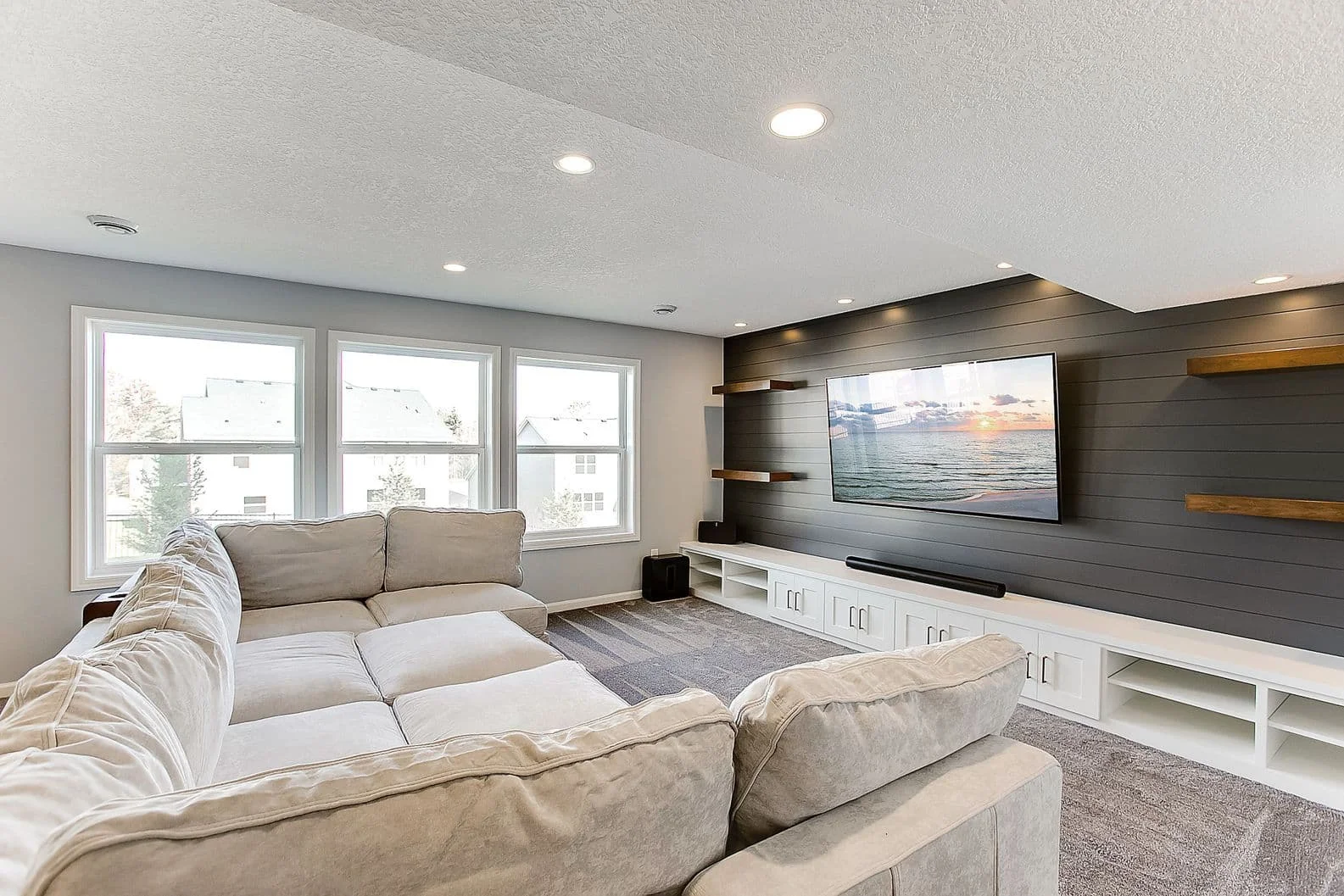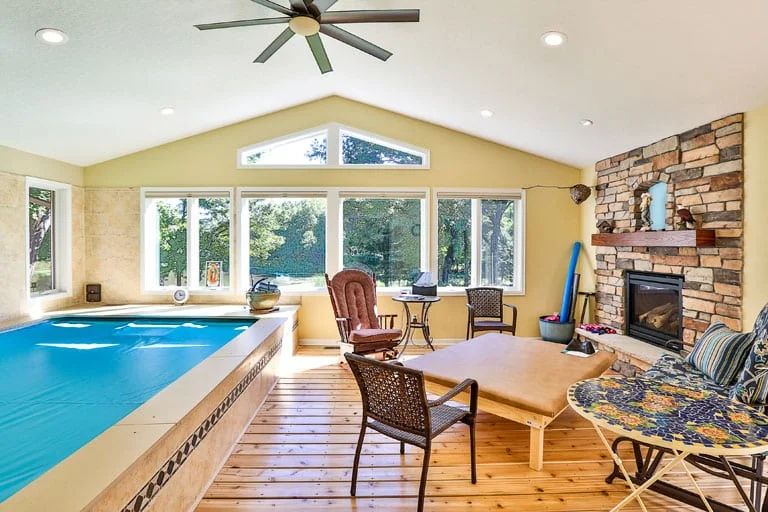
Expanding your home’s living space can significantly improve your comfort, functionality, and even increase your property’s value. Two of the most popular ways to achieve this are through constructing an Accessory Dwelling Unit (ADU) or opting for a traditional home addition. While they both serve to add space, the type of space they offer and the long-term value they provide differ greatly. In this article, we break down the key differences to help you determine which option is best for your goals and property.
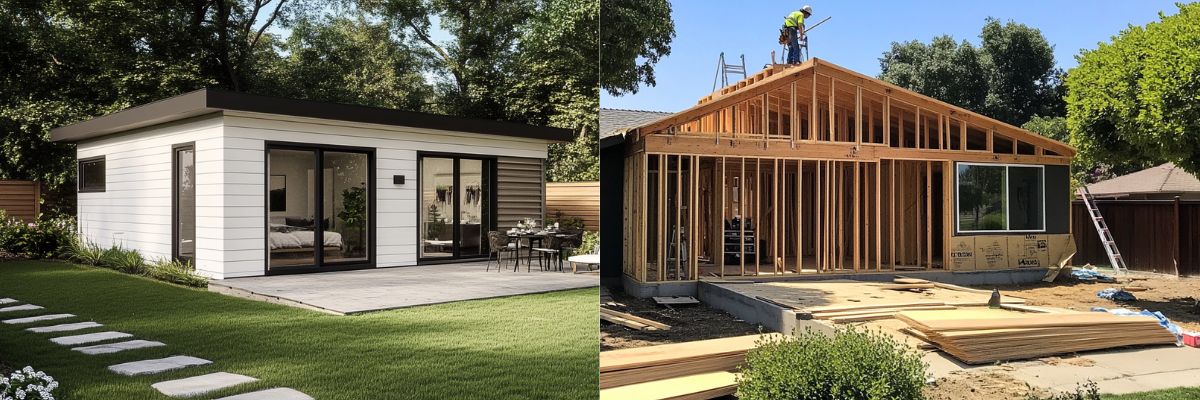
Understanding ADUs and Home Additions
What is an ADU?
An Accessory Dwelling Unit (ADU) is a secondary residential structure built on the same lot as a primary residence. ADUs can be detached from the main house, attached, or converted from existing spaces like garages or basements. They are fully independent living quarters, complete with a kitchen, bathroom, bedroom, and entrance. Homeowners often build ADUs for additional rental income, multi-generational living, or as a guest suite.
What is a Home Addition?
A home addition involves expanding the existing footprint of a house to add new space directly connected to the primary home. This could mean an extra bedroom, an expanded kitchen, a sunroom, or even a second story. Unlike ADUs, home additions remain part of the primary residence and do not have separate entrances or full living setups like kitchens or laundry areas.
Key Differences Between ADUs and Home Additions
| Feature | ADU | Home Addition |
| Purpose and Use | Independent living space for rent, guests, or family | Additional space for homeowner’s use |
| Privacy | Offers complete privacy and separate entrance | Shares walls and spaces with main house |
| Functionality | Includes full kitchen, bath, and living areas | Typically expands existing areas like bedrooms |
| Cost | Generally higher ($100,000 – $250,000) | Usually lower ($50,000 – $100,000) |
| Permits and Zoning | Requires specific zoning approval and utility setup | Simpler permitting process as part of main house |
| Rental Income Potential | High, can function as a standalone rental | Low, generally not rented separately |
| Impact on Property | Increases property value and rental appeal | Increases square footage and livability |
Pros and Cons of ADU’s and Additions
| Option | Pros | Cons |
| ADUs | – Creates a separate living space for family, guests, or tenants
– Generates rental income – Boosts overall property value – Provides flexibility for aging parents or young adults |
– More expensive to build
– May involve lengthy permitting and zoning approvals – Requires more space and infrastructure |
| Additions | – Enhances and customizes your living space
– More affordable compared to an ADU – Easier to permit and build – Seamlessly integrates with existing home design |
– No potential for separate rental income
– Less privacy for additional space – Construction may disrupt daily living |
How To Choose Between an ADU or Home Addition
When deciding between an ADU and a home addition, consider the following:
- Budget: ADUs typically cost more upfront but may offer rental income down the line. Home additions can be a more affordable short-term solution.
- Intended Use: Do you need a private, independent unit or simply want to expand your family space?
- Available Space: Some properties may not have enough room for a separate structure.
- Long-Term Goals: Think about whether you want to age in place, accommodate family members, or generate income from tenants.
Conclusion
Both ADUs and home additions have their place in the world of home improvement. ADUs offer independent, income-generating potential, while additions provide tailored enhancements to your existing space. Ultimately, your choice should align with your goals, budget, and property layout. To explore which option suits your home best, contact the team at Stonehearth Remodeling. With years of experience and a passion for custom solutions, Stonehearth can guide you through every step of your home expansion journey.