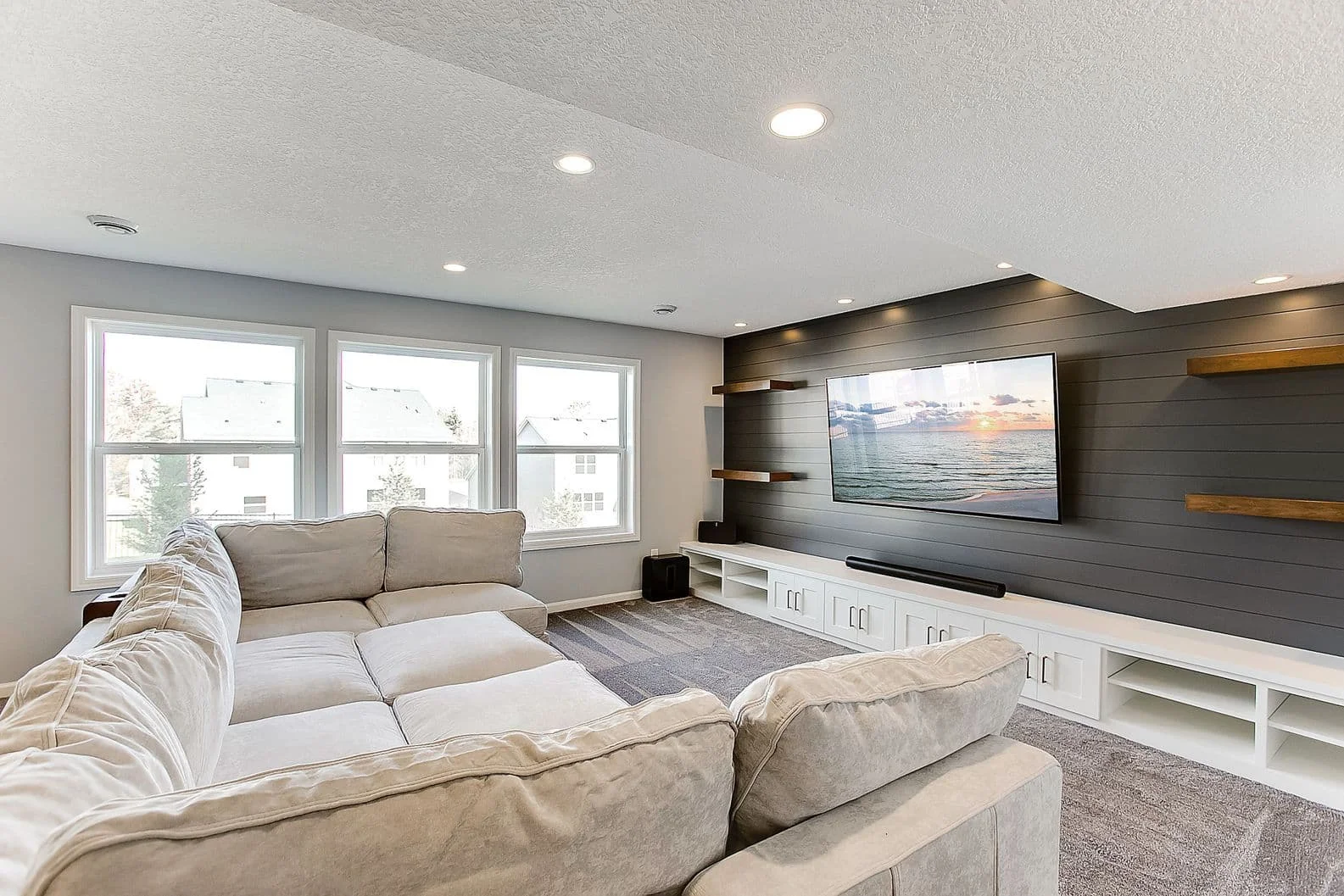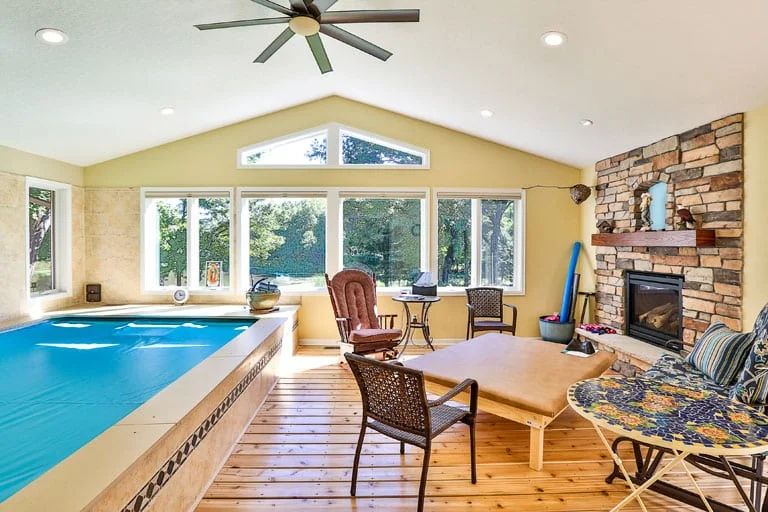
An Accessory Dwelling Unit (ADU) is a secondary, self-contained residential unit located on the same lot as a primary single-family home. These units, often referred to as in-law suites, granny flats, or backyard cottages, provide independent living spaces complete with their own kitchen, bathroom, and sleeping areas. ADUs serve various purposes, from housing family members to generating rental income, and are gaining popularity as flexible housing solutions.

Types of ADUs
1. Detached ADUs
Detached ADUs are stand-alone structures built separately from the main house. Common examples include backyard cottages, converted garages, or purpose-built guesthouses. These units offer maximum privacy and flexibility but typically require more space and investment.
2. Attached ADUs
These are additions to the main home that share at least one wall with the primary residence. Attached ADUs maintain a level of separation and independence while being structurally connected to the existing home. They often have their own entrance and full living amenities.
3. Interior Conversion ADUs
Interior conversion ADUs are created by repurposing existing spaces within a home, such as basements, attics, or unused rooms. This option is usually the most cost-effective, as it requires fewer structural changes and makes use of existing infrastructure.
Benefits of ADUs
Affordable Housing
ADUs provide a more affordable housing option in areas where property prices and rent are high. They allow for the efficient use of land without the need for new land purchases.
Rental Income
Homeowners can generate a reliable stream of passive income by renting out their Accessory Dwelling Units (ADUs). Whether it’s a long-term tenant or a short-term vacation rental, the additional income can significantly offset monthly mortgage payments, property taxes, or maintenance costs. In high-demand rental markets, ADUs can serve as a valuable financial tool that not only improves cash flow but also enhances the overall return on investment (ROI) of the property. This extra income can also serve as a financial cushion during economic downturns or periods of job instability.
Multigenerational Living
ADUs create a thoughtful solution for multigenerational living by offering separate living quarters on the same property. Families can house elderly parents who require occasional assistance, adult children transitioning into independence, or other relatives in need of temporary or permanent housing. This setup promotes strong familial support networks, reduces the emotional and financial burden of assisted living facilities or external housing costs, and allows each generation to maintain their privacy and independence while remaining close for caregiving and companionship.
Aging in Place
For older adults seeking to downsize without leaving their community or loved ones, ADUs provide a comfortable and practical solution for aging in place. These units can be customized for accessibility—featuring single-level layouts, wider doorways, grab bars, and step-free entrances—to support safety and mobility. Living in an ADU allows seniors to retain their independence while having family nearby for social support and emergencies. This arrangement can delay or eliminate the need for assisted living, enabling seniors to maintain dignity and autonomy in a familiar environment.
Increased Property Value
The addition of an ADU typically increases the overall value of a property by enhancing its functionality and appeal to a wider range of buyers. As cities and suburbs face housing shortages and zoning laws become more favorable, demand for homes with flexible, multi-use spaces is rising. Properties with ADUs are often seen as more versatile—ideal for investors, extended families, or homeowners looking for future rental income. As a result, they tend to sell faster and at a premium compared to similar properties without ADUs.
Considerations Before Building an ADU In Minneapolis
Zoning Laws
In Minneapolis, ADUs are permitted in all interior zoning districts where single-family and two-family homes are allowed, making them accessible for many homeowners. Both attached (integrated into the main home) and detached (freestanding) ADUs are allowed, but your property must fall within a qualifying residential zone. It’s important to verify your specific lot’s zoning classification through the Minneapolis zoning map or by contacting the city’s zoning office, as this will determine your eligibility and any additional restrictions that may apply to your property type or neighborhood.
Building Codes
All ADUs must be constructed in accordance with the 2020 Minnesota Residential Code, which includes standards for structural integrity, energy efficiency, fire resistance, plumbing, and electrical systems. For detached ADUs, additional criteria apply, such as frost-protected foundations and maximum building height. These standards ensure that ADUs are safe, durable, and livable. It’s also crucial to work with licensed professionals who understand these codes to avoid costly revisions during inspections.
Permitting Process
Before building an ADU in Minneapolis, you’ll need to secure a building permit. This process begins with submitting detailed construction drawings, site plans, and potentially a zoning review application. The city will evaluate your proposal for compliance with all applicable codes and design standards. Depending on the complexity of your project, the review process can take several weeks. Engaging a professional designer or architect familiar with Minneapolis ADU requirements can streamline this process and increase the likelihood of first-round approval.
Design and Size Regulations
Design and dimensional standards are strictly regulated to maintain neighborhood character and prevent overdevelopment. Detached ADUs must not exceed 20 feet in height and are limited to the smaller of 1,000 square feet or 50% of the main home’s finished floor area. Setback requirements must also be followed: ADUs must be built at least 3 feet from side and rear property lines and a minimum of 5 feet from alleys if constructed above a garage. Aesthetic harmony with the main residence is required, including consistent exterior materials, roof pitch, and window proportions.
Utilities and Amenities
Each ADU must function as an independent living space with a separate kitchen, bathroom, and utility hookups. While ADUs can share water and sewer lines with the main house, they must be installed to code, and some utility upgrades—such as separate electrical panels or increased water service—may be necessary. These systems must be installed by licensed professionals and inspected for code compliance to ensure long-term functionality and safety.
Other Considerations
Minneapolis has eased owner-occupancy requirements, meaning homeowners are no longer required to live on-site to build or rent out an ADU. This flexibility opens opportunities for property investors and families seeking long-term rental income or multigenerational housing. However, building costs can vary significantly based on site conditions, design complexity, and material choices. Budgeting should include architectural fees, city permits, utility connections, and potential soil or grading work. It’s also wise to research financial incentives or loan programs available locally for ADU construction.
Conclusion
ADUs offer versatile solutions for homeowners seeking additional living space, rental income, or accommodations for family members. Understanding the types, benefits, and local regulations is crucial before embarking on an ADU project. Consulting with professionals familiar with state and local requirements can streamline the process. For more detailed information and expert guidance on ADU construction and regulations, contact Stonehearth Remodeling today!