Building a custom home in Minneapolis involves more than just design and construction. One of the most important parts of the process is understanding and navigating local permitting regulations. These rules are in place to ensure safety, structural integrity, and compliance with zoning laws, but they can also add time and complexity to a project if not handled properly.
For homeowners, the permitting process can feel overwhelming. That is why working with an experienced design-build company like Stonehearth Remodeling can make a major difference in keeping your project on track.
Why Permits Matter in Custom Home Construction
Permits are required for nearly every aspect of building a custom home in Minneapolis. They ensure that the home meets local building codes, safety standards, and zoning requirements.
Without proper permits, construction can be delayed, fines can be issued, and in some cases, completed work may need to be redone. Beyond compliance, permits also protect homeowners by ensuring that the structure is built correctly and safely.
Every stage of construction must be reviewed and approved through the permitting process.
Zoning Regulations in Minneapolis
Before a building permit can even be submitted, the property must comply with Minneapolis zoning laws. Zoning determines what can be built on a specific lot, including the size, height, and placement of the home.
Some of the key zoning factors include lot coverage, setbacks, and building height restrictions. Setbacks dictate how far the home must be from property lines, while lot coverage limits how much of the land can be occupied by the structure.
Minneapolis also has zoning districts that influence the type of home that can be built, whether it is a single-family residence or a multi-unit property. Understanding these rules early in the process is critical to avoiding redesigns later.
The Building Permit Process
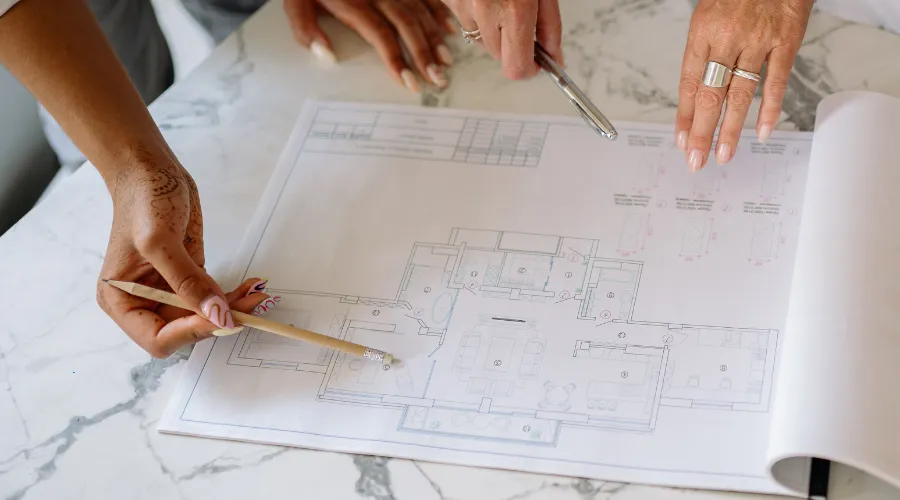
Once zoning requirements are confirmed, the next step is applying for a building permit through the City of Minneapolis. This process involves submitting detailed construction plans that outline the design, structure, and systems of the home.
Plans typically include architectural drawings, structural engineering details, and mechanical layouts. These documents are reviewed by city officials to ensure they meet all applicable codes.
The review process can take several weeks depending on the complexity of the project. If revisions are required, this can extend the timeline further. That is why it is important to submit complete and accurate plans from the start.
Required Permits for a Custom Home
Building a custom home in Minneapolis requires multiple permits, not just one. In addition to the main building permit, homeowners typically need permits for electrical, plumbing, HVAC, and sometimes demolition if an existing structure is being removed.
Each of these permits requires its own inspections throughout the construction process. For example, electrical systems must be inspected before walls are closed, and plumbing must be approved before fixtures are installed.
This layered approach ensures that every part of the home meets safety and performance standards.
Inspections and Compliance
Inspections are a key part of the permitting process. Throughout construction, city inspectors visit the site at different stages to verify that the work matches the approved plans and meets code requirements.
Common inspection points include foundation work, framing, electrical systems, insulation, and final completion. If an issue is identified, it must be corrected before the project can move forward.
While inspections can feel like a hurdle, they are essential for ensuring the home is built correctly and safely.
Minnesota-Specific Building Considerations
Minnesota’s climate adds another layer of complexity to building regulations. Homes must be designed to handle extreme cold, heavy snow loads, and seasonal moisture changes.
This impacts everything from foundation depth and insulation requirements to roof design and drainage systems. For example, frost depth requirements influence how foundations are constructed, while energy codes dictate insulation standards.
Builders must account for these factors during both the design and permitting stages to ensure compliance.
Timeline Expectations for Permitting
The permitting timeline for a custom home in Minneapolis can vary depending on the size and complexity of the project. On average, the process can take anywhere from a few weeks to a few months.
Delays can occur if plans need revisions, if zoning issues arise, or if there are backlogs within city departments. Planning ahead and allowing extra time for permitting is essential to keeping the overall project on schedule.
Working with an experienced builder can help streamline this process and reduce the likelihood of delays.
How Stonehearth Remodeling Simplifies the Process
Stonehearth Remodeling helps homeowners navigate the permitting process by handling it as part of their design-build services. Instead of leaving homeowners to manage permits on their own, their team coordinates everything from plan preparation to submission and approvals.
Their experience working within Minneapolis and the surrounding areas allows them to anticipate potential issues and address them early. This helps prevent delays and keeps projects moving forward.
By managing communication with city officials and ensuring all documentation is complete, Stonehearth reduces stress for homeowners and improves overall project efficiency.
The Importance of Proper Planning
Proper planning is one of the most important factors in successfully navigating permitting regulations. Taking the time to understand zoning requirements, prepare detailed plans, and work with experienced professionals can make a significant difference.
Rushing into construction without fully addressing permitting requirements can lead to delays, increased costs, and unnecessary frustration.
A well-planned project not only moves more smoothly but also results in a better final product.
Final Thoughts
Permitting regulations are a critical part of building a custom home in Minneapolis. While the process can be complex, it is designed to ensure safety, quality, and compliance with local standards.
By understanding zoning laws, preparing detailed plans, and working with an experienced builder like Stonehearth Remodeling, homeowners can navigate the process more efficiently and avoid common pitfalls. Contact us today to get started!