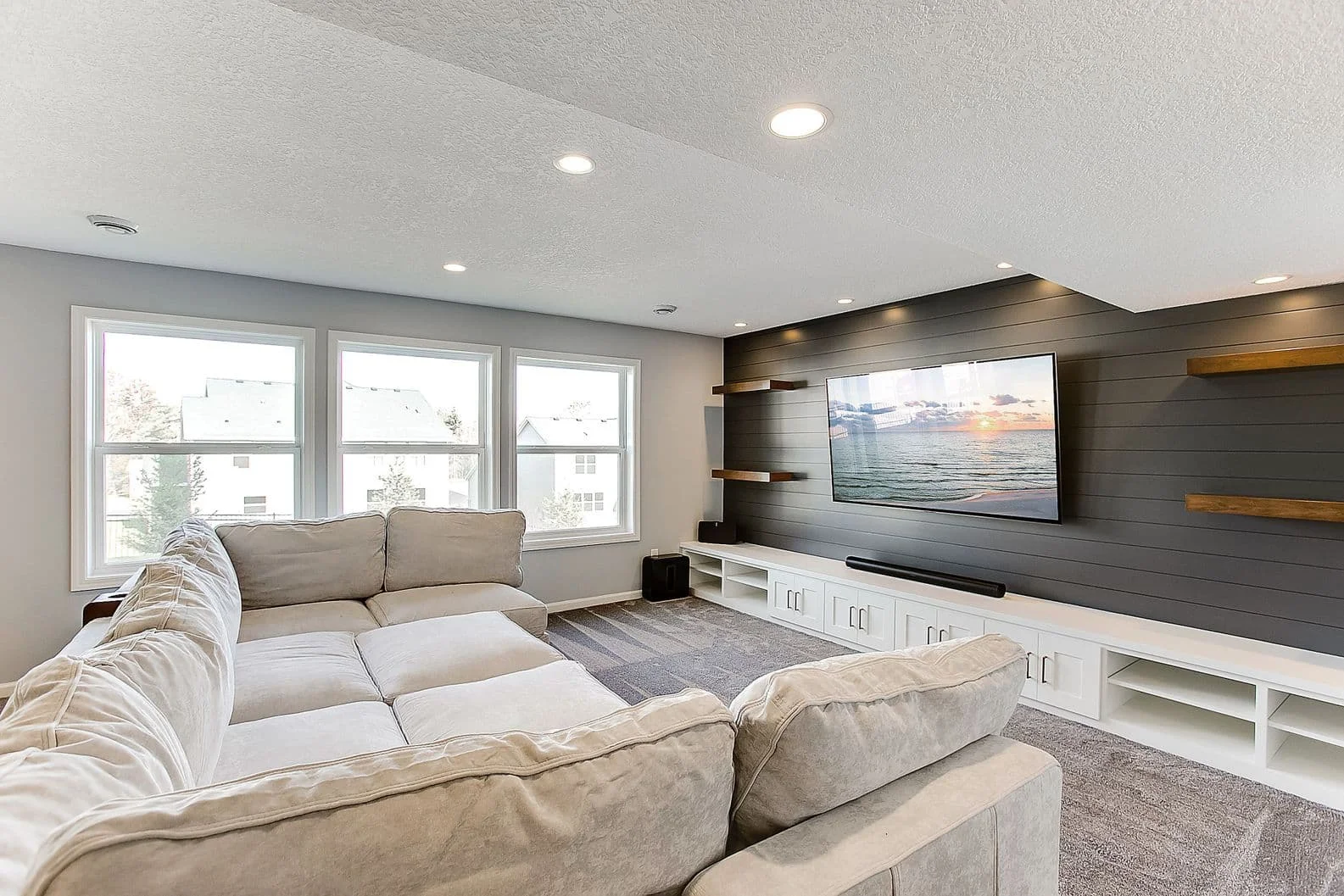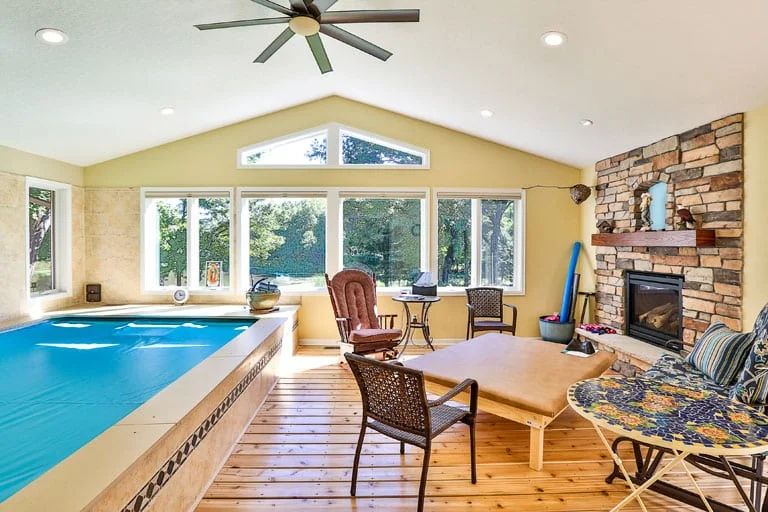
The cost of home additions in Minnesota varies based on the size of the addition, the type of space being added, and the level of finishes involved. Most homeowners in Minnesota can expect home addition costs to range from $150 to $400 or more per square foot, with total project costs commonly falling between $50,000 and $250,000 or more. Stonehearth Remodeling is here to guide you through the home addition process.

Average cost of home additions in Minnesota
On average, Minnesota homeowners spend between $75,000 and $150,000 on a home addition. Smaller single-room additions sit on the lower end of the range, while multi-room additions, second-story expansions, and additions with kitchens or bathrooms trend higher. To learn more about second-story additions in Minneapolis click here. Costs increase as the project becomes more complex, particularly when structural work, plumbing, or HVAC modifications are required.
Cost per square foot for home additions in Minnesota
Home additions in Minnesota typically cost between $150 and $400 per square foot, depending on the scope of work and materials used. Basic living space additions with standard finishes fall closer to the lower end of the range. Additions that include bathrooms, kitchens, or custom architectural elements push costs higher due to increased labor and mechanical requirements. This per-square-foot range provides a useful starting point when budgeting, but final costs depend on design and site conditions.
Types of home additions and their cost impact
The type of addition you choose significantly affects the overall budget. Single-room additions such as family rooms or bedrooms are generally more affordable because they require fewer mechanical systems. Kitchen additions, bathroom additions, and in-law suites cost more due to plumbing, cabinetry, and appliance installation. Second-story additions are among the most expensive options because they often require structural reinforcement of the existing home and extensive interior modifications.
How Minnesota’s climate affects home addition costs
Minnesota’s climate plays a major role in home addition construction costs. Additions must be properly insulated and sealed to withstand cold winters and temperature fluctuations. Foundations, roofing systems, and exterior materials must meet strict performance standards, which can increase upfront costs but improve long-term energy efficiency. Winter construction may also extend timelines and require additional labor protections.
Foundation and structural requirements
Foundations are a major cost driver in Minnesota home additions. Slab-on-grade foundations are generally less expensive, while full basements or crawlspaces increase excavation and concrete costs. Structural modifications to tie the addition into the existing home, including load-bearing walls and roof integration, add to labor and engineering expenses. Older homes may require additional reinforcement to support new construction.
Interior finishes and customization costs
Interior finishes influence how quickly an addition’s budget grows. Standard drywall, flooring, and trim keep costs manageable, while custom millwork, built-ins, and high-end flooring materials increase pricing. Additions that mirror the existing home’s finishes may require specialized craftsmanship to ensure a seamless transition, which adds labor time and cost.
Mechanical systems and utilities
Extending electrical, plumbing, and HVAC systems into a new addition is a significant portion of the overall cost. Homes may need upgraded electrical panels, expanded ductwork, or new heating zones to accommodate the added square footage. In Minnesota, ensuring proper heating and ventilation is critical for comfort and code compliance, particularly for year-round living spaces.
Permits, zoning, and code compliance in Minnesota
Home additions in Minnesota require building permits and must comply with local zoning regulations. Setback requirements, lot coverage limits, and neighborhood restrictions can influence addition size and placement. Permit fees, inspections, and potential variance applications should be factored into the budget early to avoid delays or redesign costs.
Labor costs for home additions in Minnesota
Labor costs represent a large portion of home addition pricing. Skilled trades are required for framing, roofing, electrical, plumbing, and finish work. In high-demand areas such as the Twin Cities, labor rates are typically higher due to strong housing demand. Working with an experienced design-build firm helps coordinate trades efficiently and maintain quality standards.
Timeline for building a home addition in Minnesota
The timeline for a home addition depends on its size and complexity. Smaller additions may take eight to twelve weeks to complete, while larger or multi-story additions can take three to five months or longer. Weather conditions, permit approvals, and material lead times all affect the schedule. Proper planning and communication help keep the project on track.

Return on investment for Minnesota home additions
Home additions often provide a strong return on investment by increasing usable living space and improving functionality. In Minnesota, additions that create family rooms, primary suites, or additional bedrooms are particularly appealing to future buyers. While not every dollar is recouped at resale, well-designed additions typically enhance home value and long-term livability.
How Stonehearth Remodeling approaches home additions
Stonehearth Remodeling specializes in designing and building home additions that integrate seamlessly with existing homes. Our team manages every phase of the process, from design and permitting to construction and final finishes. By focusing on craftsmanship, structural integrity, and clear communication, Stonehearth Remodeling delivers additions that feel original to the home while meeting modern needs.
Planning your home addition budget with confidence
Understanding the cost of home additions in Minnesota allows homeowners to plan effectively and avoid surprises. Establishing priorities early, selecting materials thoughtfully, and working with an experienced remodeling partner are key to staying on budget. With proper planning and professional execution, a home addition can transform how you live in your home while adding lasting value. Contact us today to get started!