Accessory Dwelling Units (ADUs) have become a popular way for homeowners in Minneapolis to add living space, generate rental income, or accommodate multigenerational living. Before you start designing your backyard cottage or in-law suite, it’s important to understand the city’s regulations on ADU size and structure. So, how big can an ADU be in Minneapolis? The answer depends on whether the ADU is detached, attached, or internal.
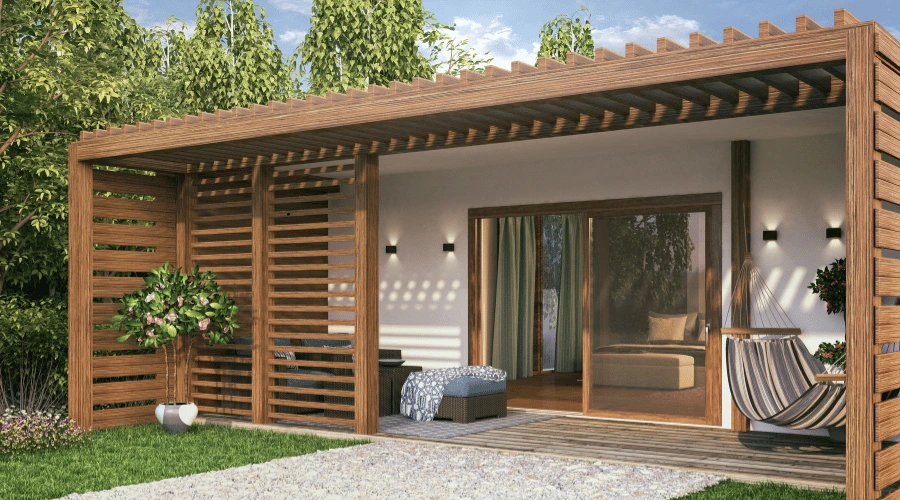
Detached ADUs are among the most common choices for homeowners seeking privacy between their primary residence and the secondary unit. In Minneapolis, a detached ADU may be up to 800 square feet or 60 percent of the gross floor area of the principal dwelling, whichever is less. This means that the allowable size of a detached ADU is determined by both the maximum square footage set by the city and the size of the existing home. For example, if a home is 1,200 square feet, the detached ADU could only be 720 square feet, as that is 60 percent of the primary dwelling and smaller than the 800-square-foot limit. These rules help maintain balance between the main house and the secondary unit, ensuring the ADU remains an accessory structure.
Understanding An ADU
An ADU, or Accessory Dwelling Unit, is a secondary living space built on the same lot as a primary residence. Minneapolis allows three main types of ADUs: detached, attached, and internal. A detached ADU is a stand-alone structure, often referred to as a backyard cottage or carriage house. Attached ADUs are physically connected to the main home, such as an addition or above-garage apartment. Internal ADUs are built within the existing footprint of the home, such as a finished basement or attic apartment. Each type of ADU comes with specific rules regarding size, placement, and design. For instance, you can only have one ADU per property.
Maximum Size of Internal and Attached ADUs
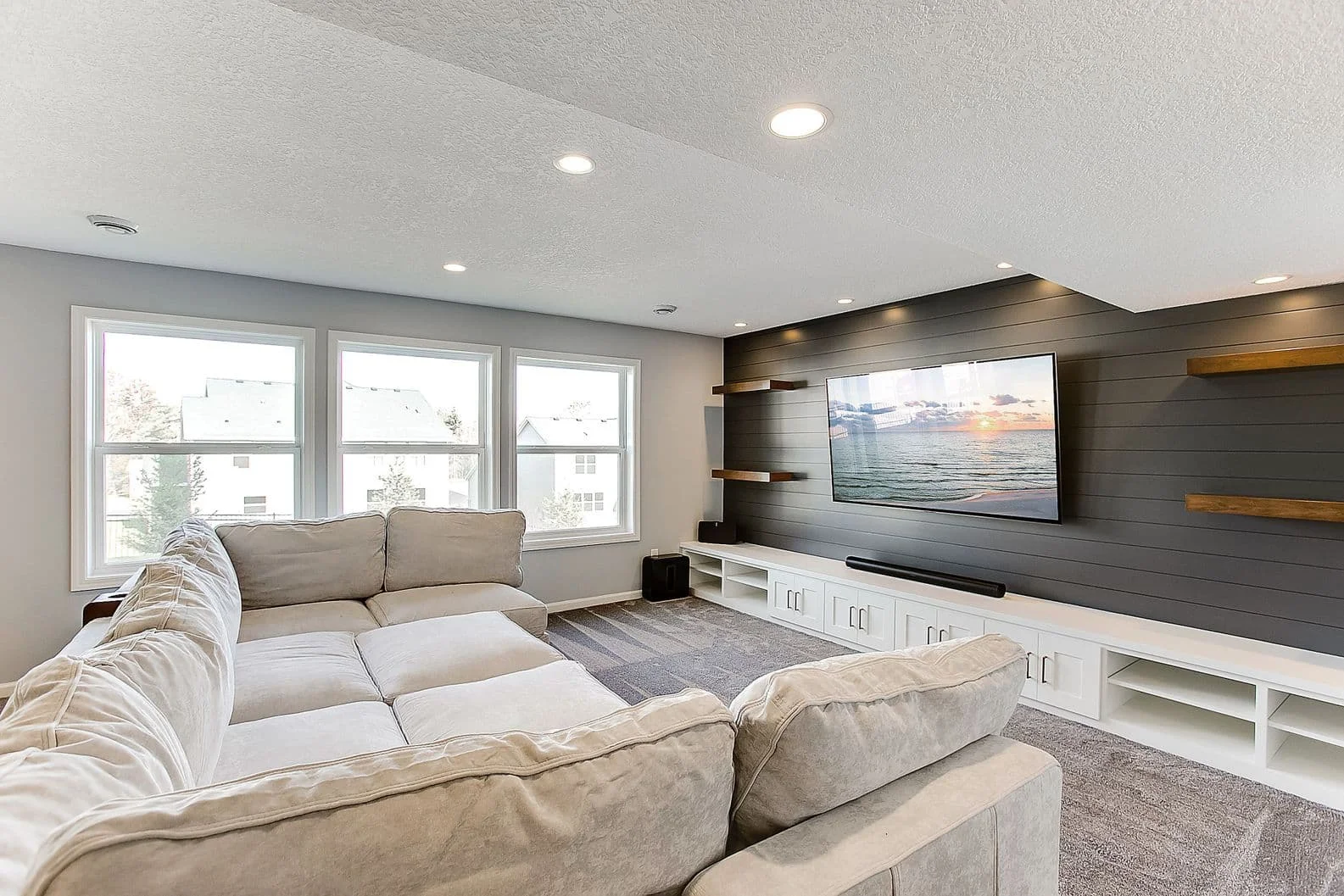
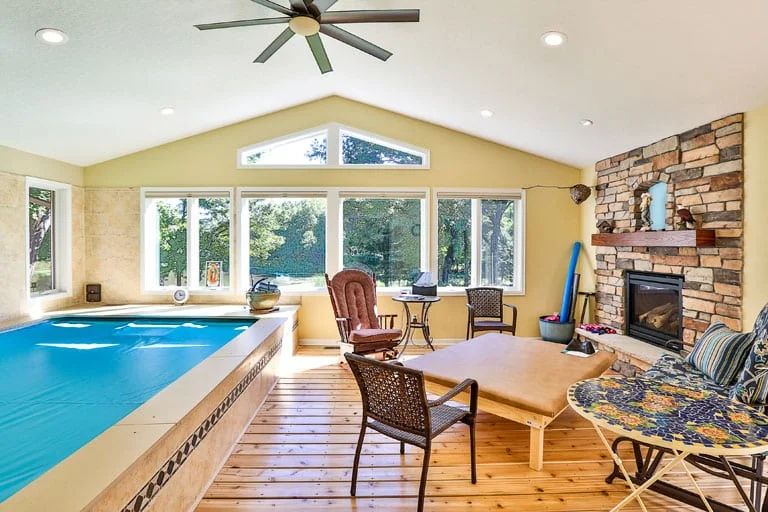
Homeowners looking for more flexible space often consider internal or attached ADUs. Minneapolis allows internal and attached ADUs to be larger than detached units, with a maximum size of 1,200 square feet. Internal ADUs, such as basement apartments or converted attics, and attached ADUs, including side additions or over-garage units, benefit from this larger limit. The increased size provides more room for functional living areas, making it possible to design comfortable in-law suites, rental units, or flexible spaces for family needs.
Height Restrictions for Detached ADUs
In addition to square footage limits, Minneapolis places restrictions on the height of detached ADUs. The maximum height for a detached ADU is 16 feet. However, if the design of the ADU complements the architectural style of the main home, the allowable height can increase to 20 feet. These height restrictions are intended to preserve neighborhood character and prevent ADUs from overshadowing neighboring properties. They also encourage homeowners to design secondary structures that blend seamlessly with the existing home rather than appearing as incongruous additions.
Why Minneapolis Limits ADU Size
The city’s restrictions on ADU size serve several important purposes. They ensure that ADUs remain secondary to the primary residence and do not dominate the property. Size limits also help maintain the character of residential neighborhoods, preventing oversized structures on small urban lots. Additionally, the regulations encourage thoughtful design that balances livability for the ADU with privacy and comfort for the main home. By setting these limits, Minneapolis promotes the development of functional and aesthetically compatible ADUs while supporting the city’s broader housing goals.
Benefits of Building an ADU in Minneapolis
Even with size and height restrictions, ADUs provide significant benefits for homeowners. They offer opportunities for rental income, creating a steady revenue stream for property owners. ADUs also make it easier to accommodate multigenerational living, providing space for aging parents, adult children, or relatives without sacrificing privacy. In addition, homes with ADUs often experience increased property value, as the additional living space enhances both versatility and market appeal. ADUs can also serve as flexible spaces, functioning as home offices, guest suites, or long-term rental units.

Designing Your ADU for Maximum Comfort
While square footage restrictions may seem limiting, thoughtful design can make any ADU feel spacious and livable. Open floor plans help create an airy and uncluttered feel, while vaulted ceilings in detached ADUs can add vertical space within the height limits. Efficient layouts that prioritize essential areas such as kitchens, bathrooms, and living spaces maximize usability. Incorporating large windows and natural light can make smaller rooms feel larger, and built-in storage solutions help maintain a clean, organized environment. Proper design ensures that your ADU is both functional and comfortable while complying with city regulations.
Navigating Zoning and Permits in Minneapolis
Building an ADU in Minneapolis requires compliance with local zoning and building codes. Homeowners must obtain building permits and ensure their projects meet all requirements, including lot size, setbacks, height restrictions, and design compatibility with the main home. Utility connections and adherence to building codes are also mandatory. Working with a remodeling contractor who understands Minneapolis regulations can make this process smoother, ensuring your ADU is built legally and efficiently.
How Stonehearth Remodeling Can Help
At Stonehearth Remodeling, we specialize in helping homeowners design and build ADUs that maximize space and comply with city regulations. Our team guides clients through the permitting process, offers design solutions that make the most of available square footage, and delivers high-quality construction. Whether you’re planning a detached backyard cottage, an over-garage apartment, or a finished basement, we ensure your ADU meets both your functional needs and aesthetic goals.
Get Started Today
Detached ADUs are limited to 800 square feet or 60 percent of the primary dwelling, with a height restriction of 16 feet that can increase to 20 feet if the design complements the main home. Internal and attached ADUs may reach up to 1,200 square feet. These regulations are designed to maintain neighborhood character while allowing homeowners to enjoy the benefits of additional living space. With thoughtful design and the right remodeling partner, an ADU can provide rental income, flexible living options, and enhanced property value, all within the city’s guidelines. Contact Stonehearth Remodeling today to get started!