Converting a garage into an ADU in Minneapolis can create additional living space for family members, guests, or tenants. However, an ADU garage conversion requires more than replacing the garage door and finishing the interior. The existing structure must comply with Minneapolis zoning requirements and residential building codes while supporting plumbing, electricity, heating, insulation, and safe exits. Homeowners also need zoning approval and a building permit before construction begins. This guide explains how to convert a garage into an ADU, what requirements may affect the project, and what to expect during design, permitting, and construction.
Understanding an ADU?
An Accessory Dwelling Unit, commonly called an ADU, is a secondary living space located on the same property as a primary home. It has its own kitchen, bathroom, sleeping area, and entrance, allowing it to function as an independent residence. Homeowners may use an ADU for aging parents, adult children, visiting guests, long-term tenants, or additional private living space.
When converting a garage into an ADU, homeowners generally have two options. The existing garage can be converted into living space, or a new dwelling can be constructed above it. The right approach depends on the garage’s condition, available space, local requirements, and the homeowner’s plans for the property.
Can Your Existing Garage Be Converted Into an ADU?
Before designing the new living space, a professional should determine whether the existing garage can support the conversion. Many detached garages were built for vehicles and storage, not year-round occupancy. The foundation, framing, roof, ceiling height, and concrete slab must all be evaluated before the project can move forward.
An older garage may require structural reinforcement, foundation repairs, moisture protection, or a new floor system. If the plan includes building an ADU above the garage, a structural engineer may need to determine whether the foundation and walls can support the additional weight. In some cases, rebuilding part or all of the garage may be more practical than trying to modify the existing structure.
A property survey may also be necessary to confirm lot lines, setbacks, easements, and the location of underground utilities. Completing this work early helps identify potential problems before significant time and money are invested in a design.
What Are the Requirements for a Garage ADU in Minneapolis?
A garage-to-ADU conversion must comply with Minneapolis zoning requirements and residential building codes. The proposed unit’s size, height, location, and distance from property lines can all affect whether the project is approved. The existing garage does not automatically qualify for conversion simply because it is already standing.
The project must also meet current requirements for insulation, ventilation, heating, plumbing, electricity, natural light, and emergency exits. Smoke alarms and carbon monoxide alarms must be installed where required. If part of the structure will continue to be used as a garage, additional fire separation may be necessary between the vehicle storage area and the living space.
Because every property is different, homeowners should have their address and proposed design reviewed before assuming the garage can be legally converted. Early planning can prevent a design from moving forward only to encounter problems with setbacks, structural limitations, or utility access.
Do You Need a Permit to Convert a Garage Into an ADU?
Yes, converting a garage into an ADU in Minneapolis requires zoning approval and a building permit. Additional permits will also be needed for plumbing, electrical, and mechanical work. Construction should not begin until the plans have been reviewed and the necessary approvals have been issued.
The permit application typically includes a site plan, floor plans, exterior elevations, construction details, and information about the proposed mechanical systems. Depending on the condition of the garage and the extent of the work, structural drawings or engineering documents may also be required.
City reviewers will evaluate the plans for compliance with applicable zoning and building requirements. Revisions may be requested before the project is approved, particularly if the original plans do not provide enough information. Working with a remodeling company that understands the local process can help reduce preventable delays.
How Much Does It Cost to Convert a Garage Into an ADU?
The cost of a garage ADU conversion depends heavily on the existing structure. Converting a garage with a stable foundation and sound framing will usually cost less than rebuilding a deteriorated structure or constructing a second-story unit above it.
Structural work is only one part of the total investment. The project may also require architectural plans, engineering, permits, insulation, windows, exterior doors, plumbing, electrical service, heating and cooling, kitchen cabinetry, bathroom fixtures, flooring, and interior finishes. Extending water and sewer lines to a detached garage can be a significant expense, especially when the structure is far from the main house.
Homeowners should begin with a professional feasibility assessment before establishing a final budget. This allows the project team to evaluate the garage, identify necessary upgrades, and develop a budget based on the property instead of relying on a general online estimate.
How Do You Design a Comfortable Garage ADU?
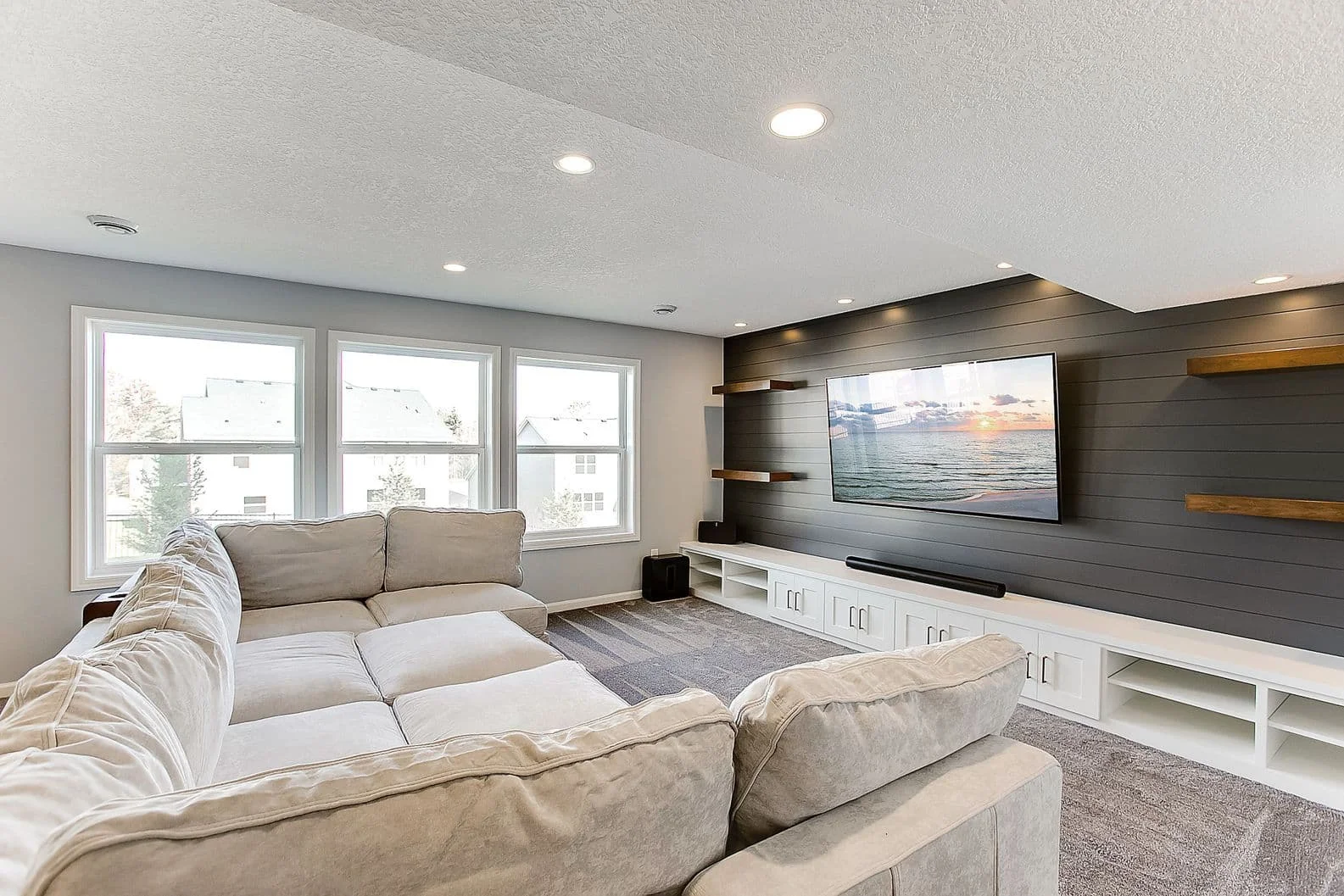
Although garages have limited square footage, a thoughtful design can make the finished ADU feel comfortable and functional. The layout should make efficient use of every area while still providing a practical kitchen, bathroom, living space, and sleeping area.
Windows can introduce natural light and make the former garage feel more like a home. Built-in storage, open living areas, and appropriately sized fixtures can help prevent the unit from feeling crowded. The placement of plumbing fixtures should also be considered carefully because keeping the kitchen and bathroom near existing utility connections may reduce construction complexity.
The exterior should feel connected to the main house rather than looking like an afterthought. Coordinating the siding, roofing, windows, trim, and other architectural details can help the ADU fit naturally into the property while still having its own identity.
What Happens During a Garage-to-ADU Conversion?
After the plans and permits are approved, construction typically begins with demolition and structural work. The garage door may be removed and replaced with a framed wall, windows, or an exterior entrance. The foundation, slab, walls, or roof may also be reinforced depending on the condition of the structure.
Plumbing, electrical wiring, and heating and cooling systems are installed before insulation and drywall. Once the main systems are in place, the contractor can complete the flooring, cabinetry, bathroom, lighting, paint, fixtures, and other finishes.
Inspections take place at required stages throughout construction. The work must pass the applicable inspections and receive final approval before the new ADU can legally be occupied. The overall timeline will depend on the project’s complexity, the condition of the garage, material availability, and the permitting and inspection process.
Common Challenges With Garage ADU Conversions
One of the most common problems is discovering that the garage needs more structural work than expected. An inadequate foundation, deteriorated framing, a damaged slab, or limited ceiling height can significantly change the project’s cost and design.
Utility access can create additional challenges. The existing electrical service may not have enough capacity for another dwelling, or water and sewer lines may be difficult to extend to a detached garage. Zoning restrictions, property setbacks, and permitting revisions can also affect the original plan.
These issues do not necessarily mean the project cannot be completed. They simply make early evaluation and experienced planning especially important. Identifying potential complications before construction begins allows the design and budget to be adjusted more effectively.
Convert Your Garage Into an ADU With Stonehearth Remodeling
A garage-to-ADU conversion can provide valuable living space while making better use of an existing structure. However, creating a safe and legal residence requires careful design, structural planning, utility coordination, permits, and experienced construction.
Stonehearth Remodeling can help you evaluate your existing garage and develop an ADU that complements your home and meets your needs. Contact Stonehearth Remodeling to begin planning your garage conversion in Minneapolis.