Adding an Accessory Dwelling Unit (ADU) to your property can significantly increase your home’s overall value. Depending on factors such as location, design, and rental potential, an ADU can boost a home’s resale value by 25% to 35%. In many cases, homeowners have seen their property values rise by $200,000 to $500,000 after constructing a well-designed ADU.
Let’s break down what drives this increase in value and how homeowners can make the most of their ADU investment.

Factors Influencing ADU Value Addition
Location
Where your property is located has one of the greatest impacts on how much value an ADU adds. In areas with a high demand for housing—particularly urban or suburban markets with limited space for new development—an ADU can significantly enhance resale potential.
Cities in California, Oregon, and parts of the East Coast have seen major gains from ADUs, as more municipalities embrace zoning changes that make it easier to build these additional units. In contrast, rural areas may not see as dramatic a value increase.
Type of ADU
There are several types of ADUs, and each affects home value differently:
- Detached ADUs: These are standalone units—such as a backyard cottage—and generally add the most value. Their separation from the main home offers privacy and flexibility, making them attractive to renters or extended families.
- Attached ADUs: Built as extensions of the main home, these add value while sharing some infrastructure. They are typically less expensive to build than detached units but might not command as much in resale or rental value.
- Garage Conversions: Transforming an existing garage into a living space is a cost-effective way to create an ADU. While it adds value, it may not increase property worth as much as a newly built detached unit.
Size and Quality
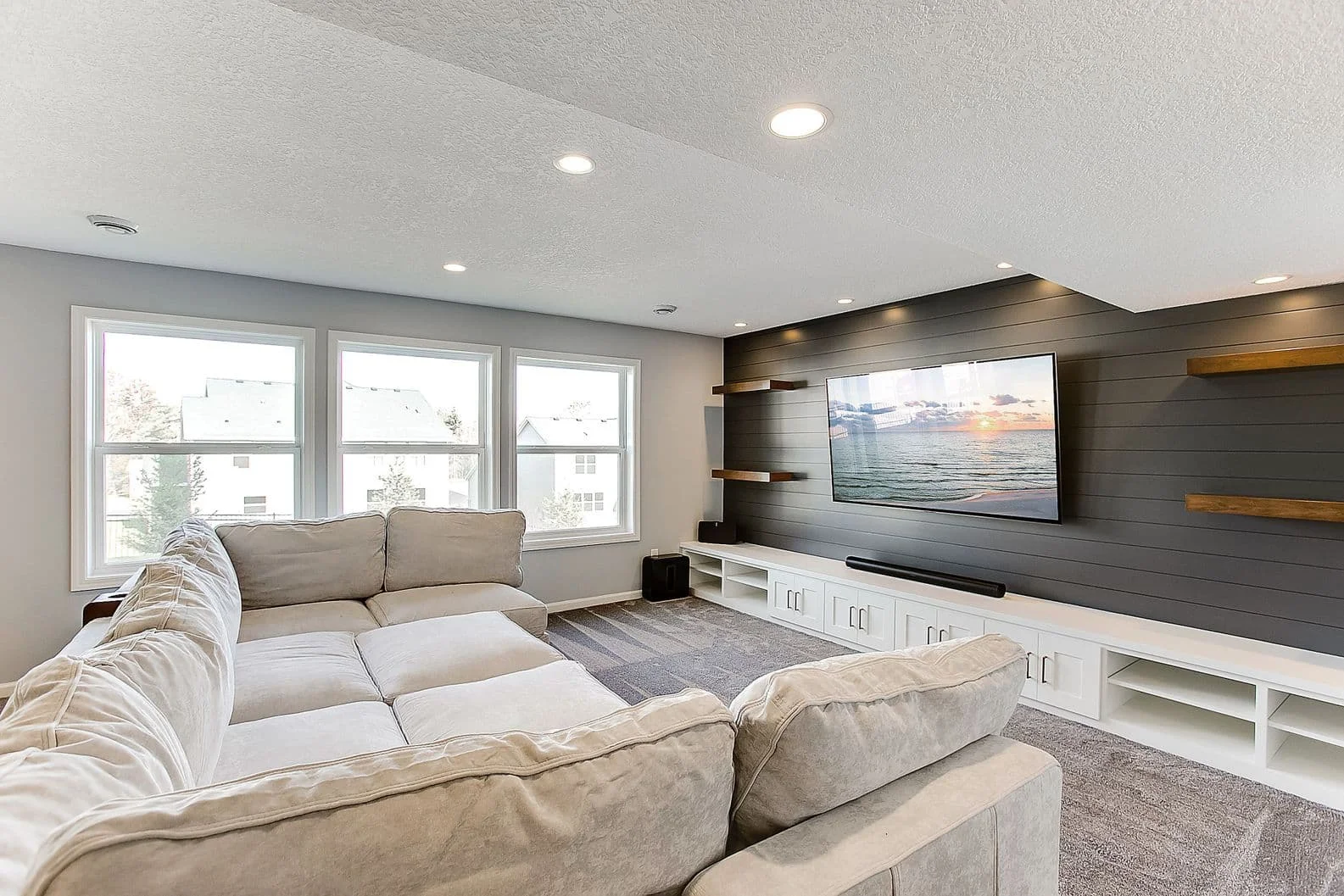
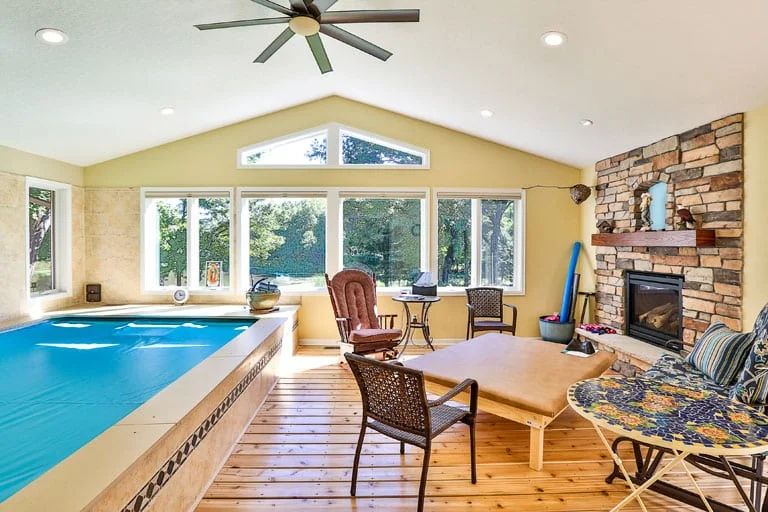
The overall size, layout, and craftsmanship of your ADU make a difference. Larger units with thoughtful designs, modern appliances, and quality finishes are likely to attract higher appraisals and greater buyer interest. Adding amenities like full kitchens, private entrances, and designated parking can further boost value.
Appraisal Considerations
When it comes to determining how much an ADU adds to your home’s value, appraisers take several factors into account:
- Comparable Sales: Appraisers compare your property to others in the area with similar features, including ADUs.
- Rental Income Potential: If the ADU can legally be rented, its income potential may be considered using the income approach to valuation. For example, if your ADU generates consistent monthly rent, appraisers may factor in its contribution to long-term cash flow.
Construction Quality: An ADU that’s built to code with proper permits and high-quality materials will always appraise higher than a poorly built or illegal unit.
It’s worth noting that some appraisers may undervalue ADUs in areas where they are still relatively uncommon, so working with a real estate professional familiar with ADU valuation is helpful.
Rental Income Potential
One of the most attractive aspects of building an ADU is the opportunity to generate passive income. A well-placed and well-designed unit can command high rental rates, especially in high-demand housing markets.
For example, if your ADU brings in $3,000 per month, that’s $36,000 per year in income. Over time, this rental income not only offsets construction costs but makes your property more appealing to buyers looking for an income-generating asset. In fact, homes with legal and rentable ADUs often sell faster and at a premium compared to homes without them.
Impact on Property Taxes
Yes, adding an ADU can raise your property taxes—but usually not by as much as you might expect. Property taxes are assessed based on the value the ADU adds, not the value of the entire home. In most cases, your home’s assessed value is adjusted to include the added square footage and construction quality of the new unit.
Some municipalities offer tax incentives for ADUs, particularly when they’re used to provide affordable housing or accommodate family members. Be sure to consult with a local property tax assessor or real estate professional to understand how an ADU will impact your tax bill in your area.
Thinking of Building an ADU?
Building an ADU can be one of the most strategic upgrades you make to your home. From increased resale value to passive rental income, these secondary units offer homeowners a flexible and financially rewarding addition to their property. However, not all ADUs are created equal—location, size, type, and quality all play key roles in how much value you can expect.
If you’re considering building an ADU, working with an experienced design-build team is essential. At Stonehearth Remodeling, we specialize in helping homeowners maximize the value of their living spaces. Contact us today to explore how an ADU can elevate your home’s worth and functionality!